A Microsoft alert shows a phone number? Do not call support from a pop-up
A loud warning says your computer or account is at risk and tells you to call immediately. Here is a simple way out of the fake emergency.
- AUTHOR
- Karol Rapacz / CEO of Breachroad · OSCP · PNPT
- PUBLISHED
- 14 September 2026
- READING TIME
- 8 min read
- TOPIC
- Human Security
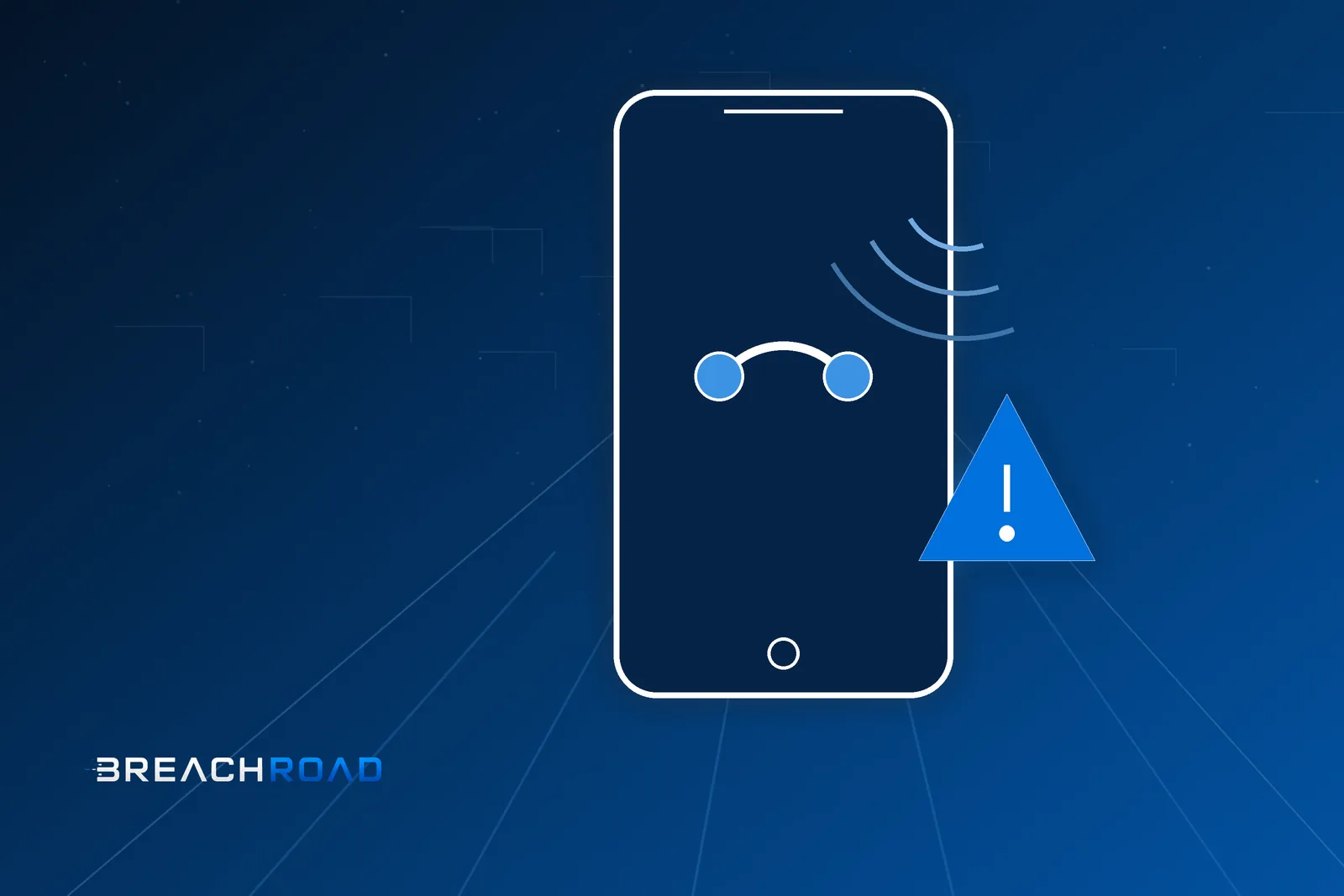
Your browser suddenly fills the screen. A Microsoft logo appears beside a red virus warning and a “technical support” phone number. The page may sound an alarm, resist ordinary attempts to close the tab and claim that switching off the computer will destroy your data. The essential point is simple: a number inside this pop-up is not a safe route to support.
The warning is designed to start a conversation. The “agent” can then ask you to install remote-access software, point at ordinary system messages as proof of an attack, sell a worthless service or guide you towards online banking. The screen creates pressure; the call is where you are persuaded to surrender money or control of the device.
A warning on a webpage does not prove infection
A website can display a logo, message and sound. It can also switch to full-screen mode, hiding the address bar and familiar browser controls. None of this gives the page authority to diagnose your computer or proves that Microsoft detected a problem.
Do not treat the number as an instruction. Do not click “Scan”, “Repair” or “Call”. Try Escape or F11 to leave full-screen mode, then close the tab or browser window. If the browser will not respond, use your operating system’s normal way to close the application or restart the device.
When the browser opens again, do not automatically restore every previous tab. Review recent downloads and history, but do not revisit the page merely to test whether the warning returns.
Find genuine support outside the message
If you still need help, open the device settings or type the manufacturer’s address yourself. At work, use the helpdesk number from the company directory or support portal. Do not use a number from the pop-up, an advert or a message supplied by the person who created the panic.
A genuine support agent does not need gift cards, a transfer to a “safe account” or access to your online banking. If someone wants to watch your screen while you enter payment details, end the call.
If you already called
Making the call alone does not mean your data is lost. End the conversation, ignore return calls and record the number, time and identity used by the caller.
If you installed remote-access software or let someone control the screen, disconnect the device from the internet and contact genuine IT support. Say exactly what was installed and what appeared on screen. Removing the remote-access app alone may not explain every change, so the device should be checked before you continue signing in.
If you opened online banking, supplied card details or approved a payment during the session, call your bank using the number on your card or in its official app. Do so from another trusted device. Block suspicious transactions and change exposed passwords, beginning with the email account used to recover other services.
Workplaces need a recognisable support process
An employee can reject a fake number more easily when genuine IT contact is familiar. Organisations should explain which channels the helpdesk uses, whether it starts remote sessions, how an agent’s identity is confirmed and what support will never ask somebody to do.
The response to reports matters too. Someone who called the number should not waste time hiding the mistake. A short instruction — end the call, disconnect the network, contact this number — is more useful under pressure than a long technical checklist.
What the source confirms and what Breachroad recommends
On 2 July 2026, the Singapore Police Force published an alert about an increase in technical-support scams impersonating Microsoft and Crypto.com. It recorded at least 30 reports and at least S$1 million in losses since May. The police advisory says Microsoft warnings do not include phone numbers and advises closing suspicious pop-ups without calling or clicking. These figures describe Singapore, not other countries.
Breachroad recommends separating the warning from the support channel: even if the underlying problem seems plausible, find help independently. If somebody gained remote access, follow our guide to responding after a fake support session. Organisations can rehearse a clear employee and helpdesk response through cybersecurity awareness training and social-engineering simulations.